

In an era where data is being generated at an unprecedented scale, the term “Big Data” has become a cornerstone of modern technology and business strategy. Big Data refers to datasets that are so large, complex, or rapidly changing that they cannot be processed using traditional methods. It has revolutionized the way organizations operate, innovate, and compete. In this article, we delve into the concept of Big Data, its characteristics, technologies, and transformative applications across industries.
What is Big Data?
Big Data encompasses vast amounts of information generated from various sources such as social media, sensors, transaction records, and digital devices. Unlike conventional datasets, Big Data is characterized by its scale and complexity, requiring advanced tools and techniques for storage, processing, and analysis.
The Three Vs of Big Data
Big Data is typically defined by three primary characteristics:
- Volume: Refers to the sheer quantity of data being generated. For example, social media platforms like Twitter and Facebook produce terabytes of data daily.
- Velocity: Refers to the speed at which data is generated and needs to be processed. Real-time analytics is critical in applications like stock trading and fraud detection.
- Variety: Refers to the different types of data—structured (databases), semi-structured (XML, JSON), and unstructured (text, images, videos).
In addition to these, two other Vs are often considered:
- Veracity: Refers to the trustworthiness and accuracy of the data.
- Value: Refers to the insights and benefits derived from analyzing Big Data.
Why is Big Data Important?
The importance of Big Data lies in its ability to uncover patterns, trends, and correlations that were previously inaccessible. Here are some reasons why it is vital:
- Informed Decision-Making: Big Data enables organizations to make data-driven decisions based on real-time insights.
- Innovation: By analyzing Big Data, companies can identify new opportunities, optimize processes, and develop innovative products and services.
- Personalization: Big Data allows for tailored experiences, such as personalized recommendations on e-commerce platforms.
- Efficiency Gains: Organizations can streamline operations and reduce costs by analyzing data to identify inefficiencies.
Technologies Behind Big Data
1. Data Storage
Managing massive datasets requires specialized storage solutions:
- Hadoop Distributed File System (HDFS): Enables distributed storage of large datasets across clusters.
- Cloud Storage: Platforms like Amazon S3, Google Cloud Storage, and Microsoft Azure provide scalable storage options.
2. Data Processing
Efficient processing of Big Data relies on parallel computing frameworks:
- MapReduce: A programming model for processing large datasets in parallel.
- Apache Spark: A fast, in-memory data processing engine for large-scale datasets.
3. Data Analysis
Analyzing Big Data involves leveraging tools and techniques such as:
- Machine Learning: Algorithms like clustering, classification, and regression are used to extract insights.
- Natural Language Processing (NLP): Analyzes unstructured text data from sources like social media.
- Visualization Tools: Platforms like Tableau and Power BI help present data in an interpretable format.
Applications of Big Data
Big Data is transforming industries by enabling new levels of insight and operational efficiency. Here are some key applications:
1. Healthcare
- Predictive Analytics: Identifying disease outbreaks and predicting patient outcomes.
- Genomics: Analyzing genetic data for personalized medicine.
- Operational Efficiency: Optimizing hospital workflows and resource allocation.
2. Finance
- Fraud Detection: Identifying suspicious transactions in real-time.
- Risk Management: Assessing credit risk and market volatility using predictive models.
- Algorithmic Trading: Using data-driven strategies to execute trades.
3. Retail
- Customer Insights: Analyzing purchasing behavior to create personalized marketing strategies.
- Inventory Management: Predicting demand and optimizing stock levels.
4. Transportation
- Smart Cities: Traffic optimization and real-time monitoring of public transport systems.
- Logistics: Route optimization and fleet management for faster deliveries.
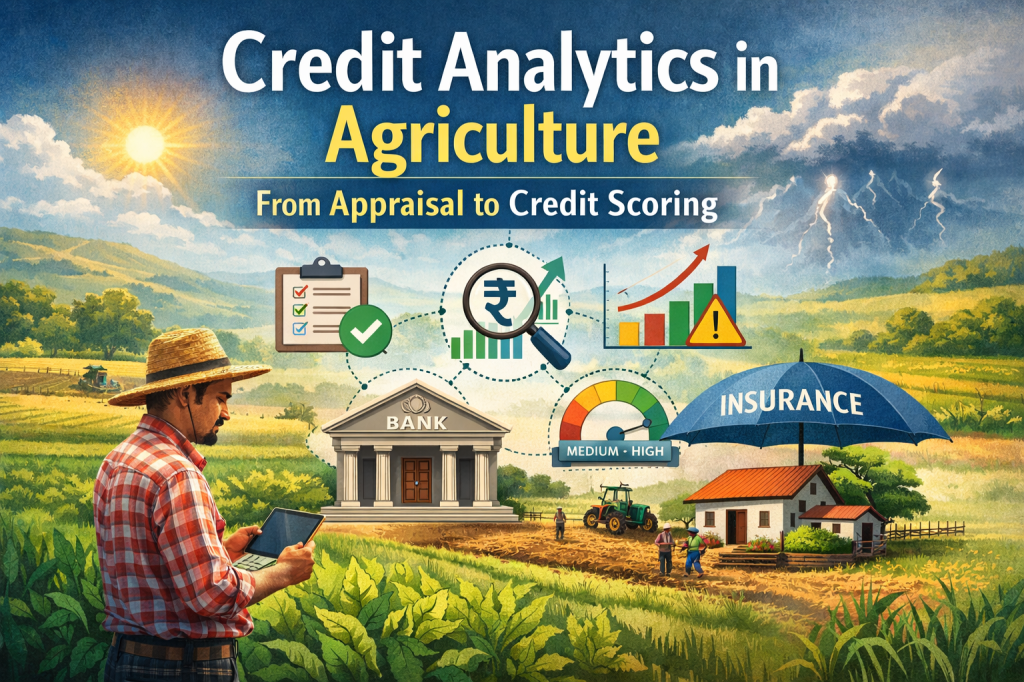
5. Agriculture
- Precision Farming: Analyzing weather, soil, and crop data to improve yields.
- Supply Chain Optimization: Enhancing traceability and reducing waste in agricultural supply chains.
Challenges in Big Data
Despite its transformative potential, Big Data poses several challenges:
- Data Privacy and Security: Handling sensitive information responsibly is a major concern. Since the data is huge in size, keeping it secure is another challenge. It includes user authentication, restricting access based on a user, recording data access histories, proper use of data encryption etc.
- Scalability: Managing the infrastructure needed to store and process ever-growing datasets.
- Data Quality – The problem here is the 4th V i.e. Veracity. The data here is very messy, inconsistent and incomplete. Dirty data cost $600 billion to the companies every year in the United States.
- Discovery – Finding insights on Big Data is like finding a needle in a haystack. Analyzing petabytes of data using extremely powerful algorithms to find patterns and insights are very difficult.
- Storage – The more data an organization has, the more complex the problems of managing it can become. The question that arises here is “Where to store it?”. We need a storage system which can easily scale up or down on-demand.
- Analytics – In the case of Big Data, most of the time we are unaware of the kind of data we are dealing with, so analyzing that data is even more difficult.
- Lack of Talent – A shortage of professionals skilled in Big Data technologies and analytics. There are a lot of Big Data projects in major organizations, but a sophisticated team of developers, data scientists and analysts who also have sufficient amount of domain knowledge is still a challenge.
The Future of Big Data
As technology advances, the potential of Big Data will continue to expand. Emerging trends include:
- Artificial Intelligence (AI) Integration: Leveraging AI to automate data analysis and derive deeper insights.
- Edge Computing: Processing data closer to its source to reduce latency and improve efficiency.
- Blockchain: Enhancing data security and transparency.
- Sustainability: Using Big Data to address environmental challenges, such as climate change and resource optimization.
Conclusion
Big Data is more than just a buzzword—it is a transformative force reshaping industries and societies. By harnessing the power of Big Data, organizations can unlock valuable insights, drive innovation, and create competitive advantages. However, the journey to fully realize its potential requires overcoming challenges related to data privacy, quality, and scalability. As we move forward, Big Data will continue to play a pivotal role in shaping a smarter, more connected world.




 time2anlytics.com
Leave a comment