

Research is a systematic process of investigating and analyzing information to answer questions, solve problems, and generate new knowledge. Whether in academic, scientific, or business settings, research follows a structured process to ensure credibility, reliability, and validity. This article provides a detailed overview of the research process, including its stages, methodologies, and best practices.
Steps in the Research Process
The research process involves several key steps, each essential for producing high-quality and reliable findings.
- Identifying the Research Problem
- The first step in research is defining a clear and concise research problem or question.
- A well-defined problem sets the foundation for the study and guides the entire research process.
- Literature Review
- Reviewing existing research helps identify gaps, refine the research question, and provide a theoretical framework.
- Sources include academic papers, books, reports, and credible online sources.
- Formulating Hypotheses or Research Objectives
- Hypotheses are testable predictions about the research problem.
- If exploratory research is conducted, clear research objectives guide the study instead of hypotheses.
- Research Design & Methodology
- Determines how the study will be conducted, including:
- Qualitative Research – Focuses on non-numerical insights (e.g., interviews, case studies).
- Quantitative Research – Uses statistical methods to analyze numerical data (e.g., surveys, experiments).
- Mixed Methods – Combines both qualitative and quantitative approaches.
- Determines how the study will be conducted, including:
- Data Collection
- Methods of collecting data vary depending on research design:
- Surveys and questionnaires
- Experiments and observations
- Interviews and focus groups
- Secondary data analysis (existing datasets, reports)
- Methods of collecting data vary depending on research design:
- Data Analysis & Interpretation
- After data collection, appropriate analytical methods are applied:
- Descriptive Analysis – Summarizes data using statistical measures (mean, median, mode).
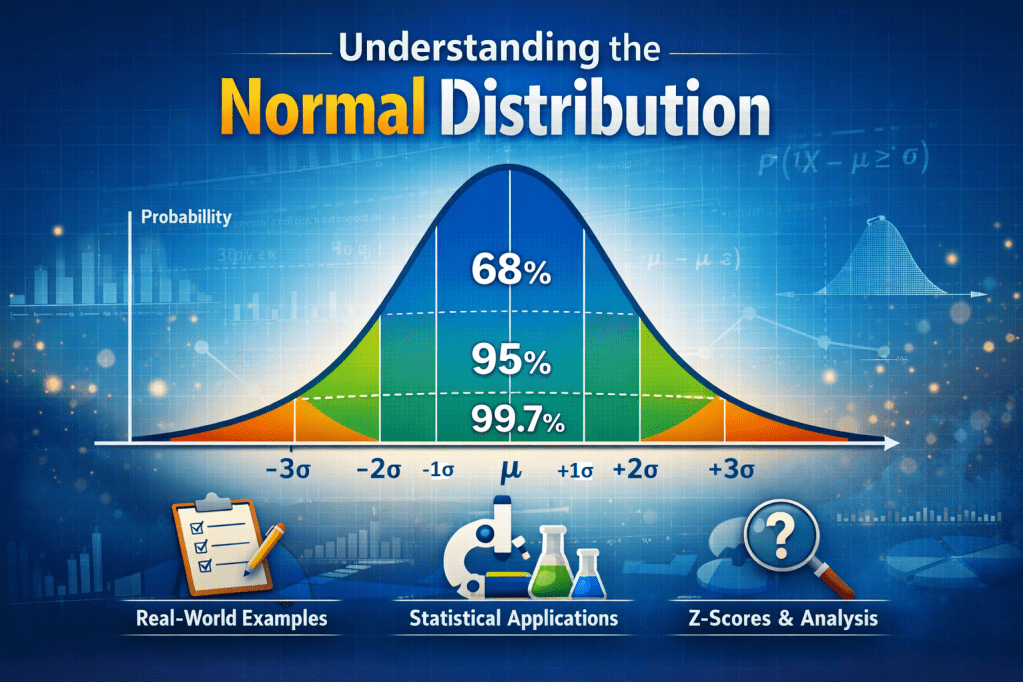
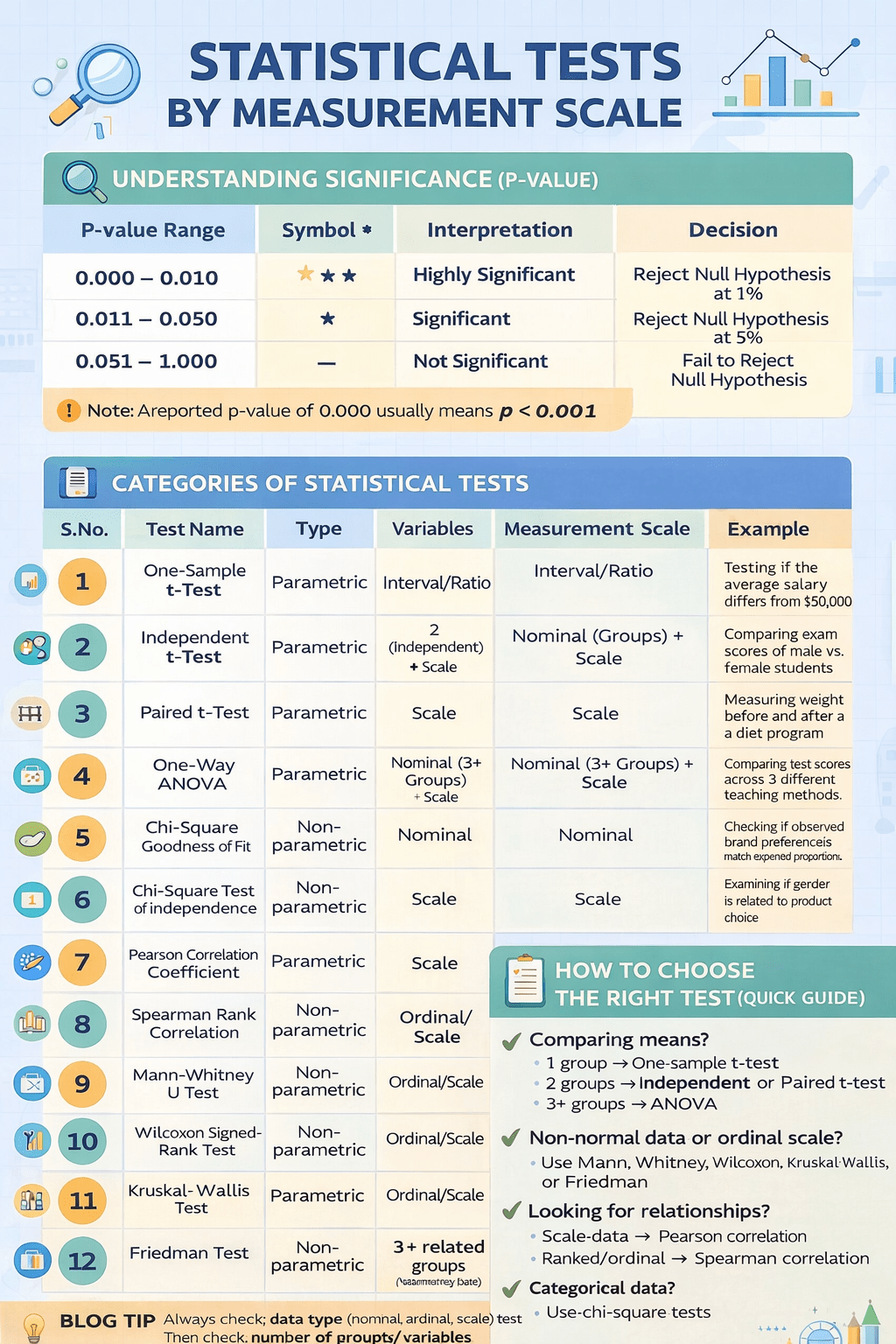
- Inferential Analysis – Uses statistical models to make predictions and test hypotheses.
- Thematic Analysis – Identifies patterns in qualitative data.
- After data collection, appropriate analytical methods are applied:
- Findings & Discussion
- Presents results in a logical and structured format.
- Discusses findings in relation to the research objectives and existing literature.
- Conclusion & Recommendations
- Summarizes key insights, implications, and contributions of the study.
- Provides recommendations for future research or practical applications.
- Research Report & Publication
- The final step involves documenting and sharing findings through research papers, dissertations, reports, or presentations.
- Peer review and publication in journals enhance credibility and dissemination.
Best Practices in Research
- Maintain Objectivity: Avoid bias and ensure neutrality in data collection and analysis.
- Ethical Considerations: Follow ethical guidelines, including informed consent, confidentiality, and data integrity.
- Use Reliable Sources: Ensure credibility by using peer-reviewed articles and verified data sources.
- Validate Results: Replicate studies or cross-check findings for accuracy.
- Stay Updated: Keep up with advancements in research methodologies and technological tools.
Conclusion
The research process is a rigorous and systematic approach to exploring and understanding complex issues. Whether conducting scientific experiments, academic studies, or business research, following a structured methodology enhances the credibility and reliability of findings. By adhering to best practices and ethical standards, researchers contribute valuable knowledge that drives progress and innovation in various fields.




 time2anlytics.com
Leave a comment