
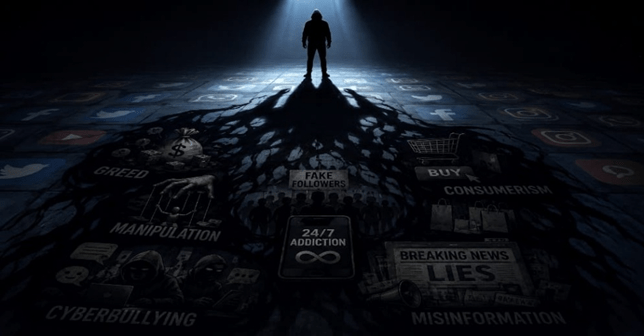
(That Nobody Talks About)
Authors: Sonika U., G. Meghana & Krishnendu Roy
It’s 11 p.m. Mia is lying in bed, scrolling. A woman she’s followed for two years — someone who feels like an old friend by now — holds up a small brown bottle. “This changed my life,” she says, smiling right into the camera. Mia doesn’t think twice. She adds it to her cart.
That single moment — trusting a stranger like a friend — is the entire business model of influencer marketing. Let’s follow the story behind it, one layer at a time.
The Friend Who Was Never Really a Friend
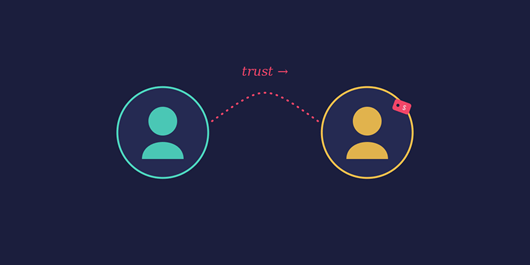
Brands don’t pay influencers just to share skincare tips or fitness advice. They pay for something much more valuable — your trust.
Over time, influencers share personal stories, daily life, and honest moments. This makes followers feel like they know them and can trust their opinions.
Once that trust is built, brands use it to promote their products. Every sponsored post becomes a way to influence people to buy.
So, when Mia’s favorite influencer said, “This changed my life,” it might not have been a complete lie. But it also might not have been their honest opinion. It was a paid promotion, shared by someone Mia had slowly started to see as a friend.
The Ad That Doesn’t Look Like One
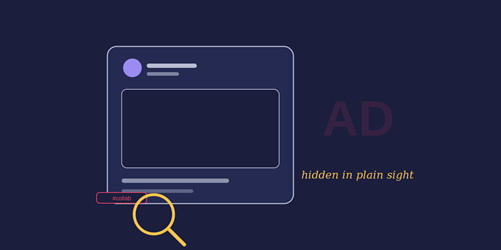
A few weeks later, Mia notices something strange. Another influencer is promoting a detox tea, but the only sign it’s an ad is a tiny #collab hidden at the bottom of the caption. Most people scrolling quickly won’t even notice it.
Ads are supposed to be clearly marked. But many influencers don’t do that. Some don’t mention it’s a paid promotion at all. Others promote products they’ve never tried — like detox teas or diet pills — to young people who may believe everything they see online.
The problem isn’t that these posts convince people. That’s what ads are meant to do. The real problem is that they don’t look like ads. They look like honest advice from a trusted friend, when they’re actually paid promotions.
The Girl in the Mirror Who Isn’t Real
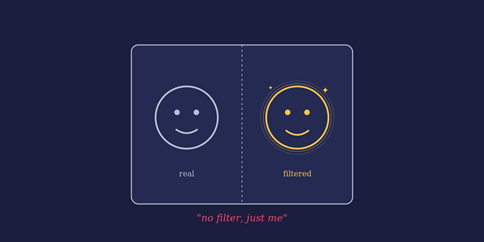
Mia’s 16-year-old cousin, Priya, spends almost an hour every night trying to take the “perfect” photo. She doesn’t realize that many influencers do the same thing. They take dozens of pictures, use good lighting, and apply filters before posting a photo with the caption, “No filter, just me.”
When people see these perfect-looking photos every day, they start believing that’s what normal should look like. But many of those images aren’t completely real.
| 📊 What the research shows Studies show that teenagers who spend more time on social media are more likely to feel unhappy with their looks and have lower confidence. |
The sad part is that many influencers promoting beauty or confidence struggle with the same insecurities themselves. They aren’t always showing their real life — they’re showing the best version of themselves for the camera.
The Number That Wasn’t Real
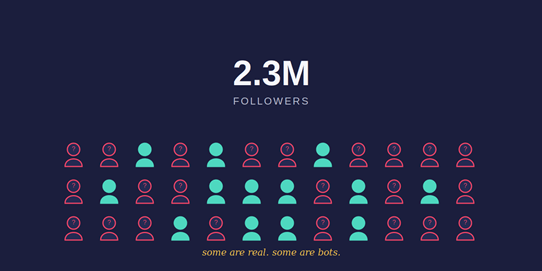
Here’s something most people don’t know. There are websites where anyone can buy thousands of followers, likes, and comments in just a few hours.
Many brands choose influencers based on these numbers. More followers often mean more brand deals.
But sometimes those followers aren’t real people. They are fake accounts or bots made to make an influencer look more popular than they really are.
So, when Mia saw an influencer with 2.3 million followers, she thought, “So many people follow them — they must be trustworthy.” But that number may not have been earned. It could have been bought.
The Kids Who Are Too Young to Sign the Contract
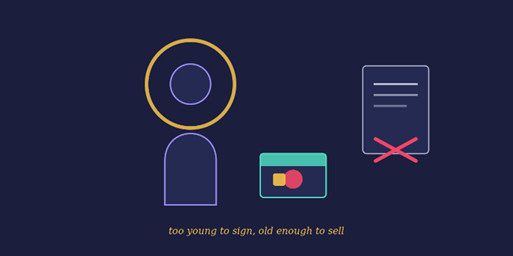
There’s one more side to influencer marketing that many people don’t think about. Some of the biggest influencers are actually children — only 8, 10, or 12 years old. They make videos like toy unboxings, games, or “Get Ready with Me” clips that look fun and innocent.
But many of these videos are designed to make other children want the same toys, clothes, or products. Young viewers often don’t realize they are watching advertisements.
The children making these videos are too young to legally sign advertising contracts themselves. Yet their content helps brands sell products to millions of kids their own age.
| ⚠️ The biggest concern Children are being used to market products to other children, who usually can’t tell the difference between entertainment and advertising. |
The Ending Mia Wishes She’d Known Sooner
None of this means influence itself is the villain. People have always trusted recommendations from people they admire — that’s just how word of mouth works. The real problem is:
🔑 Invisible influence: persuasion that never announces itself as persuasion.
So, here’s what Mia does differently now — and what you can do too:
| ✓ | Look for the disclosure, even the small print. If it’s hidden, that itself is a red flag — not the absence of one. |
| ✓ | Ask who’s really being sold. It’s not just the product. It’s often an idea — that this body, this lifestyle, this routine is normal and within reach. |
| ✓ | Follow the accounts that show the bad days too. Real people have off days. Ad accounts almost never do. |
The next time an ad doesn’t feel like an ad, that’s not an accident. That is the business model. Mia knows what to look for now.
If this story made you see your own feed a little differently, send it to someone who needs to see it too.
Conclusion
Behind every seamless scroll and friendly product recommendation lies a multi-billion-dollar business model built on invisible influence. The modern influencer landscape has quietly redefined advertising, masking corporate sales pitches as intimate advice from trusted digital friends.
When we look beyond the screen, the true cost of this ecosystem becomes undeniable:
🎭 The Trust Illusion — Unnoticed disclosure tags like #collab blur the line between genuine enthusiasm and paid promotion, turning audience loyalty into a marketable commodity.
🪞 The Digital Mirror — Curated poses, perfect lighting, and hidden filters set impossible standards that fuel insecurity, anxiety, and body dissatisfaction, especially among young audiences.
📈 The Manufactured Fame — Millions of followers and likes are frequently purchased rather than earned, creating a false sense of authority and credibility.
🧒 The Youngest Target — Children are placed in front of cameras to market products to other children, capitalizing on young viewers who cannot yet separate fun content from calculated ads.
Influence itself isn’t the problem — the danger lies in persuasion that conceals its own identity.
Reclaiming control of our feeds starts with digital awareness: looking for hidden disclosures, questioning picture-perfect lifestyles, and supporting creators who value authenticity over a polished pitch.
The next time a sponsored post feels like genuine advice from an old friend, remember — that’s not an accident. That’s the strategy.
— Sonika U, G Meghana & Krishnendu Roy, IIPMB
Keywords
Influencer, Marketing, Promotion, Collab, Recommendations, Lifestyle



 time2anlytics.com
Leave a comment